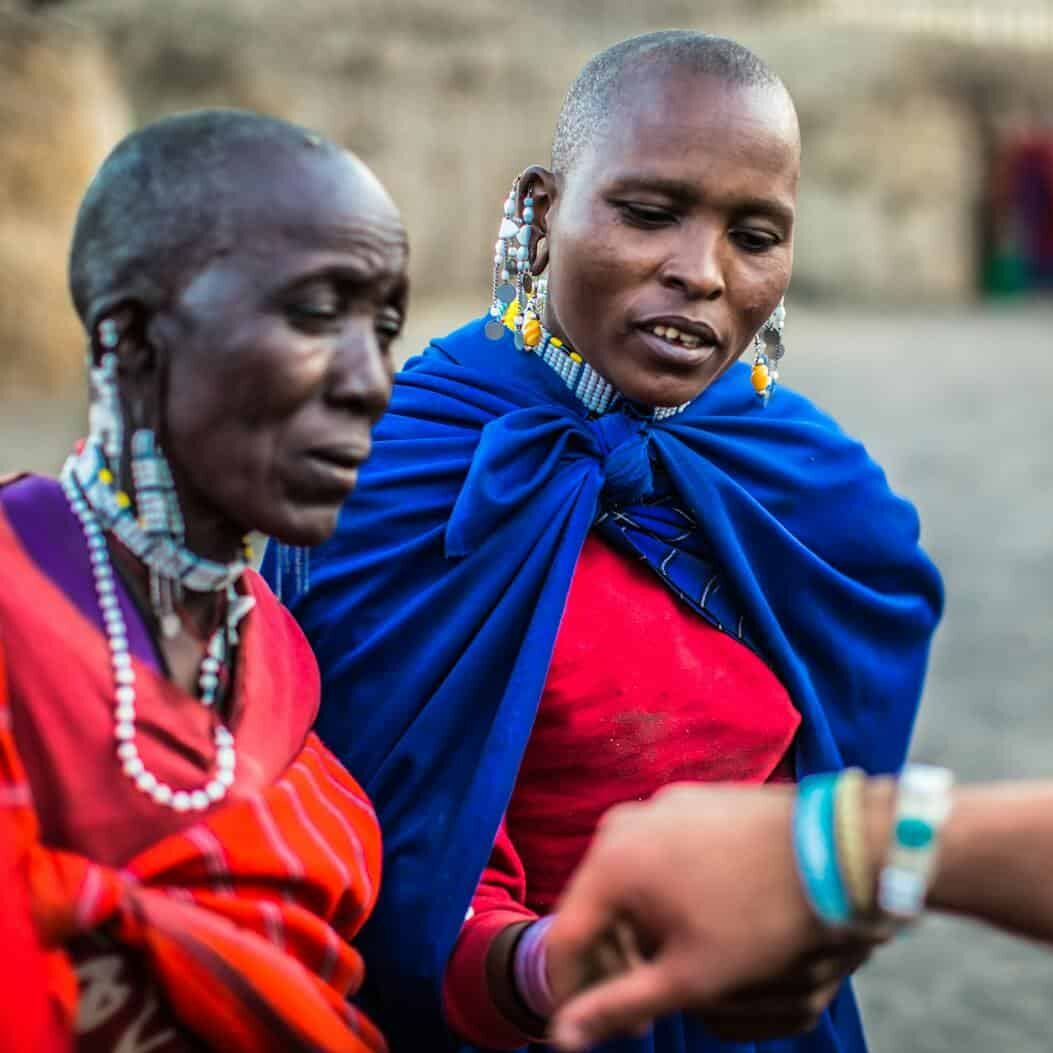

Introduction: A Vital Shift in African Healthcare
The global landscape of healthcare is undergoing a significant transformation, driven by a growing recognition of the disparities in access to quality medical services across the world. While significant advancements have been made in developed nations, millions of people in Africa continue to face preventable health challenges, impacting their quality of life, economic productivity, and overall well-being. Addressing these challenges requires a multifaceted approach, moving beyond solely governmental initiatives and embracing collaborative partnerships between non-profit organizations and local communities. Says Rose Sarfo, this article will explore the growing importance of these partnerships in driving impactful change within the African healthcare sector, examining the benefits and complexities of this evolving model. The need for sustainable and equitable healthcare solutions is increasingly urgent, and strategic collaboration is proving to be a critical component of achieving this goal.
Building Bridges: The Role of Non-Profit Organizations
Non-profit organizations play a pivotal role in initiating and sustaining healthcare initiatives in Africa. These entities often operate with a global perspective, leveraging expertise and resources to address systemic issues that traditional governmental structures may struggle to tackle effectively. They function as vital conduits, connecting international aid with local needs. Their contributions extend far beyond simply providing immediate medical assistance; they focus on long-term capacity building, training healthcare professionals, establishing primary care clinics, and improving diagnostic capabilities. Crucially, many non-profits prioritize community engagement, working closely with local leaders, healthcare workers, and patients to tailor interventions that are culturally appropriate and sustainable. They often specialize in areas like maternal and child health, infectious disease control, and emergency response, demonstrating a commitment to addressing the most pressing health concerns.
The Power of Collaboration: Partnerships in Action
The effectiveness of these partnerships hinges on a robust and mutually beneficial collaborative model. Working alongside local NGOs, governmental agencies, and private sector actors creates a synergistic effect. For example, a non-profit might provide technical expertise in disease prevention, while a government agency offers logistical support and regulatory frameworks. Private sector involvement, particularly in areas like pharmaceutical development and technology transfer, can significantly accelerate progress. Furthermore, these partnerships often facilitate knowledge sharing and the dissemination of best practices across borders. This exchange of information and resources allows for a more efficient and targeted approach to addressing specific health challenges.
Addressing Specific Challenges: Focus on Primary Care
A significant area of focus for many non-profit collaborations is the strengthening of primary healthcare systems. Many African nations struggle with a shortage of trained healthcare providers and limited access to essential medicines. Non-profits are actively involved in training local healthcare workers, equipping clinics with essential equipment, and establishing robust referral pathways. They also champion the use of mobile health clinics and telemedicine to reach remote populations. This shift towards community-based care is not only more accessible but also empowers local communities to take ownership of their health.
Navigating Challenges and Ensuring Sustainability
Despite the undeniable benefits, these partnerships are not without their challenges. Funding constraints, logistical complexities, and cultural sensitivities can hinder progress. Ensuring long-term sustainability requires careful planning, robust monitoring and evaluation, and a commitment to local ownership. Furthermore, navigating complex regulatory environments and addressing issues of accountability are crucial for maintaining trust and maximizing impact. Effective governance structures and transparent reporting are essential for building confidence and ensuring that resources are utilized effectively.
Conclusion: A Pathway to a Healthier Future
Global health partnerships between non-profit organizations and African communities represent a critical pathway towards a healthier future. By fostering collaboration, leveraging expertise, and prioritizing local needs, these initiatives are driving tangible improvements in healthcare access, quality, and ultimately, the well-being of millions. Continued investment in these partnerships, coupled with a commitment to sustainable solutions, holds immense promise for transforming the African healthcare landscape. Moving forward, a collaborative approach that prioritizes local leadership and empowers communities will be essential for achieving lasting and meaningful change.